
The rising cost of electricity and the frequent power interruptions affect the majority of homes in India. If your child is living overseas or living in metropolitan cities providing comfort and protection for their parents has been a major concern. Solar power is a feasible option with lower electric costs, reliable backup power and fewer maintenance issues. But, many families are concerned over selecting the correct solution, coordinating installations remotely, and making sure of the long-term stability. This guide will help you set up a reliable, safe and simple-to-use solar system for parents living in India.
Why Solar Is a Smart Choice for Parents’ Homes in India
Rising Electricity Bills for Residential Homes
The use of electricity increases in summer because of fans, coolers as well as air cooling units. Solar power reduces dependence on grid electricity, and reduces the monthly cost of electricity.
Reduced Monthly Financial Burden
Solar systems can reduce regular electric bills, allowing parents to keep their household expenses under control as time passes.
Comfortable and Stress-Free Living
The reliability of electricity allows you to carry on your every day activities with no interruptions which improves the convenience and peace of mind.
Sustainable and Future-Ready Home Upgrade
Solar power is environmentally friendly and nonpolluting, and is a great long-term investment in your home.
Also Read : Efficiency of Solar Energy Systems and Their Role in Sustainability
Understanding Your Parents’ Energy Needs
Assessing Daily Electricity Usage
Check the latest electricity bills and calculate daily consumption. This helps to determine the best solar system’s capacity.
Identifying Essential Appliances
Most important appliances include:
- Lights and fans
- Refrigerators
- Air conditioners
- Medical equipment
- Wi-Fi and other communication devices
Evaluating Power Backup Requirements
Homes that experience frequent power outages might require battery storage to ensure uninterrupted power supply.
Considering Future Energy Needs
Future purchases of appliances and increased consumption should be considered when making plans for capacity of the system.
Choosing the Right Type of Solar System
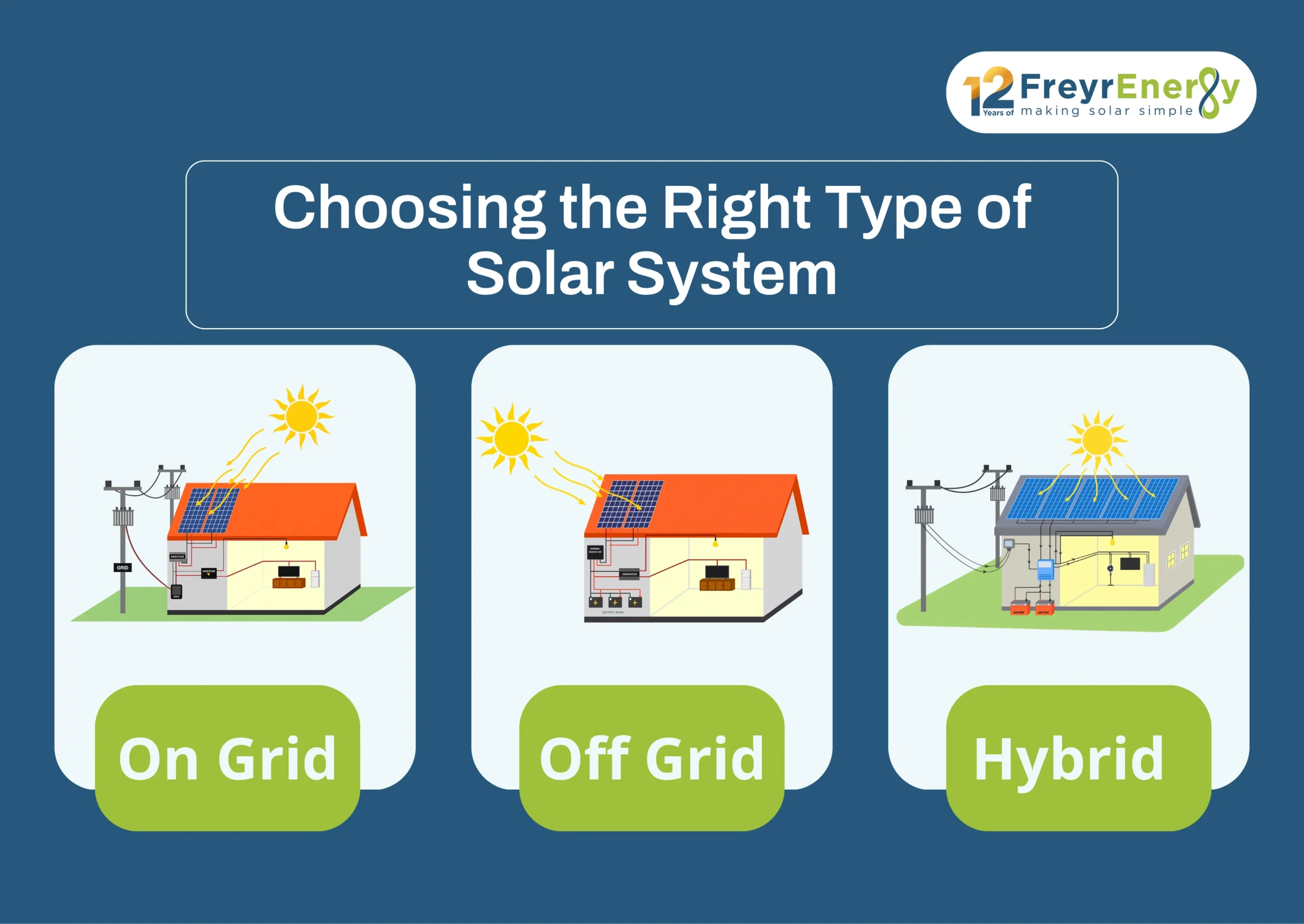
Grid-Tied Solar Systems
They connect directly to the power grid and are perfect for reducing the cost of power in areas that have a reliable power supply.
Hybrid Solar Systems with Battery Backup
Hybrid systems integrate batteries, solar panels as well as grid connection. They can save money while providing the reliability of backup power.
For More Information, read – Hybrid solar systems, and its applications
Off-Grid Solar Systems
Off-grid systems are independent and are suited in remote locations that have only limited access to the grid.
Also Read : Off-Grid Solar Systems In India
Which System Works Best for Parents’ Homes?
The ideal choice will depend on budget, location as well as frequency of outages and the requirements for comfort. Hybrid systems are usually the most preferred choice.
Important Features to Prioritize for Parents’ Homes
Simple and Low-Maintenance Systems
Simple-to-use systems simplify operation and enable parents to utilize solar energy without hassle.
Smart Monitoring Features
Mobile apps allow family members to track battery and energy production from a distance.
Safety and Electrical Protection
An appropriate earthing and surge protection, high-quality wiring and professional installation are vital security requirements.
Quiet and Clean Energy Backup
Solar systems are silent and produce cleaner power in comparison to traditional generators.
Step-by-Step Solar Installation Process
Conducting a Site Inspection
Installers assess the condition of the roof in terms of space available, roof condition, and the exposure to sunlight prior to suggesting a system.
Finalizing System Size and Components
The system must include proper dimensions of panels, inverters and batteries that are based on the needs of the household.
Installation and Grid Approval Process
After approval and planning, technicians install the equipment and follow all procedures for utilities.
Testing and Commissioning the System
Each component should be checked thoroughly before the system is handed over to the official to use.
Related article : Freyr Energy’s Solar Panel Installation Process
How to Manage the Installation If You Live Abroad or in Another City
Working Remotely to Coordinate Installers
Video calls, status updates and digital communications allow remote project management to be more efficient.
Involving a Trusted Family Member or Neighbor
Some Contacts in the local area can help in access, inspections of the area, and also coordination with the installer.
Using Smart Monitoring Apps
Remote monitoring tools allow you to monitor battery power and energy production from any place.
Financial Planning for Solar Installation
Understanding Installation Costs
Costs can vary depending on the dimensions of the system, equipment quality, battery capacity, and the installation conditions.
Government Subsidies and Incentives
Solar subsidies for rooftops could reduce the initial cost of installation.
Calculating Long-Term Savings
Lower electric bills can save you money over the course of the system.
Evaluating Return on Investment (ROI)
Most solar panels for residential use pay for themselves over a period of years, and provide savings.
Common Challenges Families Face During Solar Installation
Choosing Between Too Many Solar Options
A variety of products and pricing models could make choosing the right solution difficult.
Concerns About Maintenance
Many believe that solar panels require constant maintenance However, modern systems require little maintenance.
Managing Installations Remotely
The distance can make communication difficult but a good plan will make communication easier.
Poor Quality Installations
Installers who are experienced can avoid issues with performance and unnecessary repairs.
Tips to Ensure a Hassle-Free Solar Experience for Parents
Choose Quality Components Over Cheapest Pricing
Quality equipment typically provides greater performance, durability as well as long-term reliability.
Invest in Good After-Sales Support
Support for service that is reliable allows you to address technical issues quickly and effectively.
Prioritize Comfort and Reliability Over Maximum Savings
The aim should be reliable power and peace of mind instead of just reducing expenses.
Conclusion
Installing solar panels for your parents’ house within India is a sensible and worthwhile investment. It can lower the cost of electricity and improve the reliability of energy, and improve your daily comfort. In many homes hybrid systems with battery backup can provide the best combination of security and savings. If properly planned and installed by an established installer, solar power can provide long-term advantages. A properly designed solar system isn’t just about saving energy, but it’s about providing comfort, security, safety, and independence for parents living at their home.