
A solid solar installation design shapes how well the system works for years. Good layout means more power, safer operation, fewer breakdowns, and better payback over time. Whether it’s rooftop panels at home (residential solar system design), arrays on business buildings (commercial solar system design), or large fields utilizing ground-mounted solar structure design, smart preparation sets up success from day one.
To help property owners understand how an effective solar system layout comes together using practical planning advice rather than conjecture, this blog outlines the key phases of solar design and installation. It eliminates misunderstandings by avoiding technical jargon and concentrating on the important aspects of switching to solar power.
Site assessment is the first actual step in solar planning, following the understanding of the fundamentals.
What Is Solar Installation Design?
The design of solar installations entails the determination of the location of solar panels, inverters, mounting structures and wiring to get the optimum energy. This is applicable in the residential solar system design, the commercial solar system design and the ground mount solar design.
Related Article – Ground-Mounted vs. Rooftop Solar Panels | Solar Mounting Structure
A good solar system balances power production, price, security, and expansion. The layout of the residential is also compact and efficient, whereas the commercial and ground-mounted solar power plants’ layouts deal with the large areas and loads. Although there are differences in the scale, the basic principles of solar design and installation are similar.
Site Assessment
The first stage of the design of a solar installation is site assessment. It decides whether the rooftop or the land area is apt to be used in generating solar power.
Related Article – Why is site survey important for solar installation?
Key factors checked include:
- Rooftop or other land space available.
- Direction and tilt angle
- Shadowing of trees, buildings, or structures.
- Strength of the roof or ground structure.
- Weather and availability of sunlight in the area.
The extra considerations to be made in case of ground-mounted solar structure design are land quality, soil type, drainage, and expansion prospects. Appropriate site evaluation will take care of the long-term performance of the systems during every season.
Choosing the Right Solar Panels
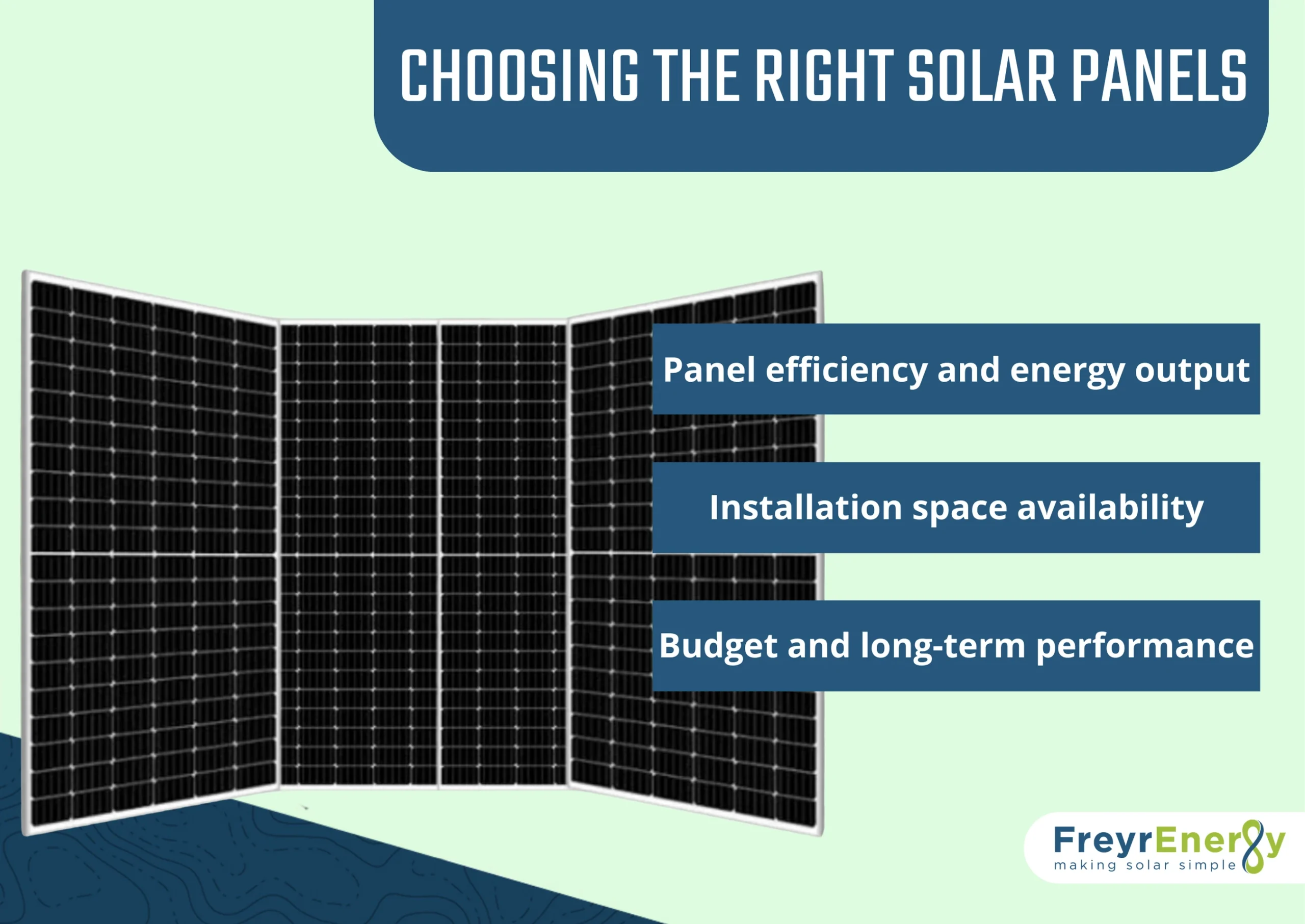
Choosing the right panels is critical in solar design and installation. Panels differ in efficiency, size, durability, and technology.
Key considerations include:
- Panel efficiency and energy output
- Installation space availability
- Environmental factors like heat and dust
- Budget and long-term performance
The panels with high efficiency are suitable when designing residential solar systems because they have limited roof space. Some solar system design methods, such as commercial solar system design and ground-mounted solar power plant design, place a high emphasis on panel selection in terms of durability, scalability, and cost efficiency.
Selecting the Right Inverter
The solar panels provide DC power, which is converted to usable AC power by the inverter. The selection of an appropriate inverter is critical to the reliability and efficiency of the system.
Common inverter types include:
- String inverters
- Microinverters
- Hybrid inverters for battery-supported systems
Inverter choice in the solar design and installation relies on the size of the system, the level of shading, and the backup. Large business installations and ground mount solar design normally contain large capacity inverters that are designed to run continuously.
People Also Read – What’s the Difference between AC vs. DC?
Designing the Electrical Layout
Electrical layout design ensures safe and efficient power flow from panels to inverters and then to appliances or the grid.
This stage includes:
- DC and AC cable routing
- Safety equipment such as isolators, fuses, and surge protectors
- Earthing and lightning protection
- Compliance with electrical standards
A well-planned electrical layout minimizes losses, enhances safety, and simplifies maintenance, equally important for residential, commercial, and ground-mounted solar power plant design projects.
Structural Layout Planning
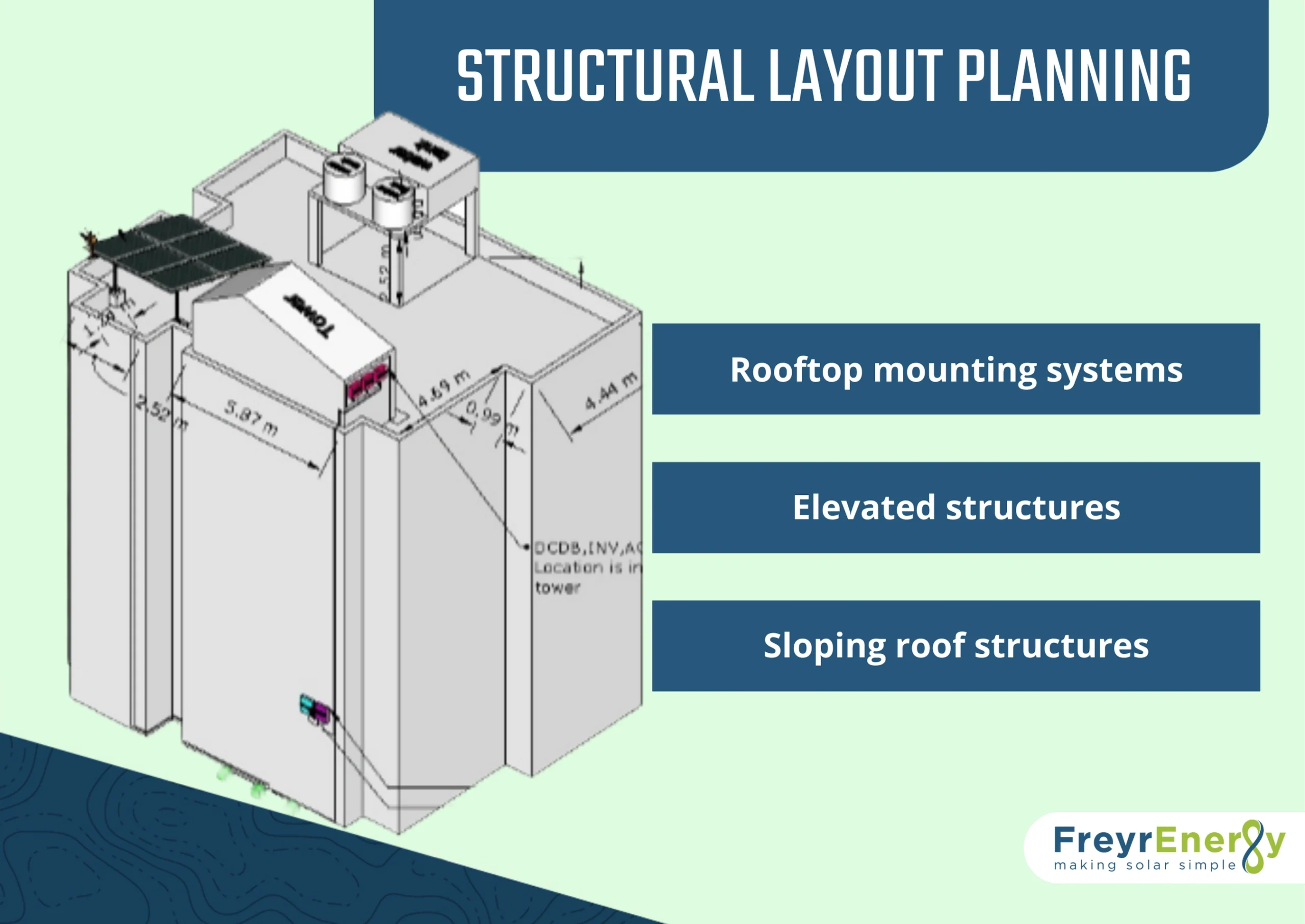
Structural layout planning defines how panels are mounted and secured, making it a key part of solar installation design.
Structure types include:
- Rooftop mounting systems
- Elevated structures
- Sloping roof structures
- Ground-mounted solar structure design
Wind load, soil conditions, corrosion resistance and access to maintenance are all aspects that are put into consideration in the case of ground mount solar design. Good structural planning has a life expectancy of 25 years and above.
Solar System Performance Simulation
Performance simulation estimates how much energy the system will generate over time. Software tools analyze:
- Sun path and shading patterns
- Panel orientation and tilt
- Expected annual energy output
- System losses
For commercial solar system design and ground-mounted solar power plant design, performance simulation is essential for financial planning and ROI calculations. It also helps optimize the layout before installation.
Conclusion
An effective solar installation would begin with intelligent planning at each step. Assessment of the site, the choice of the appropriate elements for the design of the electrical system, and operation simulation of the running performance are all steps that directly influence power generation, safety, and long-term reliability.
Since residential rooftops and commercial installations are available as well as ground-mounted solar systems, a properly planned layout will provide steady savings on the electric bills and a reliable and clean energy supply. Through the expertise and advanced solar design practices by Freyr Energy, homeowners and businesses in India are able to attract higher output and long time lifespan in their systems with predictable returns over time.
Proper design of the solar installation in the first stages will guarantee a performance that is better, a longer life of the system and savings that will last for years.