
The effects of climate change aren’t merely distant stories about weather anymore; they are now appearing directly in households’ budgets. In 2026, it is expected that the El Niño impact will bring scorching summers, delayed monsoons, and longer periods of extreme temperatures across India. As temperatures rise, so does the demand for electricity, with cooling and air conditioners operating longer and more often than normal. Rather than waiting for the bills to rise and then reacting, an increasing number of homeowners are opting for solar panels on their roofs to be prepared in advance.
Freyr Energy helps families get ahead of ever-changing energy needs with reliable, well-engineered rooftop solar systems designed for this kind of change.
El Niño in 2026: Why This Climate Pattern Deserves Your Attention

El Niño is a natural weather pattern in which the tropical Pacific Ocean warms beyond normal levels, disrupting weather systems across the globe. In India, it is typically accompanied by prolonged heatwaves, delayed monsoon onset, and warm evenings with no relief from the day’s heat. In the end, however, it’s not just about rain.
The El Niño effect in India affects not only rainfall forecasts but also the energy households require to remain comfortable throughout the day and at night. If summers last longer and the nights do not cool down, coolers, fans, and air conditioners run more frequently and for longer periods. This is a sign for homeowners to look beyond immediate weather forecasts and begin planning for rising, long-term energy demands before the need arises, rather than rushing to react once the heat and costs have arrived.
The Hidden Cost of a Hotter Summer Isn’t the Heat–It’s Your Electricity Bill
ACs operating for longer hours affect annual electricity consumption. Utility companies typically apply high demand charges and seasonal tariffs during summer, when temperatures are extreme, which can make the monthly bill significantly more expensive than expected, leaving families feeling a bit naive when the bill arrives.
Businesses go through the same pressure- increased cooling load raising operational costs during the peak period. The extreme heat can also strain the grid, often leading to brownouts, voltage fluctuations, or instability during the morning peak. Totally relying on grid power is becoming an increasingly expensive routine each summer, especially as demand keeps rising while supply struggles to keep up.
Reality check: One extremely hot summer could increase household electric bills annually, particularly for families that rely on air conditioning for long portions of the day.
Read: How Solar Energy Can Reduce Electricity Bills
Why El Niño Can Actually Strengthen the Case for Rooftop Solar
The daytime is when demand for electricity is at its highest – and it’s precisely when rooftop solar generates the most energy. The overlap between the two is greater than people think. More self-consumption during the day means you pay less for grid energy at exactly the moment when tariffs are most severe.
High temperatures can reduce panel efficiency; however, India’s strong solar radiation more than compensates for this, making rooftop solar panels highly productive throughout the hottest summer seasons.
Waiting Has a Cost: Why 2026 May Be a Better Investment Window Than 2027
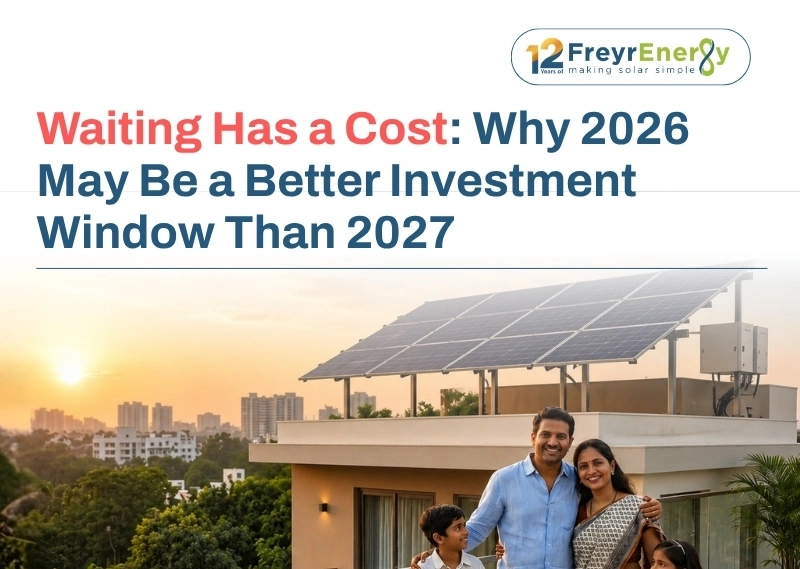
Each summer that you put off installation is another time of high electricity costs that add to your monthly expenses. Electricity prices tend to increase every year, gradually reducing the financial benefits of waiting, making each season slightly more expensive than the previous.
Solar technology is now widely used by Indian households, and supported by financing options that make it more affordable than ever for middle-class families. Installing solar before the summer heat arrives will help you get the best savings possible in your first year, rather than missing a full season of peak demand and having to start from scratch.
Beyond Savings: How Rooftop Solar Improves Energy Resilience
Rooftop solar isn’t just about lower monthly costs. It helps reduce dependence on fluctuating electricity prices, makes homeowners’ monthly expenses more predictable, and makes budgeting for the household considerably easier in the long run. It also helps reduce the carbon footprint of power generation and could significantly boost your home’s value in the resale market over the long term, since energy-efficient homes are more attractive to potential buyers.
As the climate becomes less predictable year after year, solar provides a practical, tangible way to plan for whatever comes next, rather than being surprised by an extreme weather event.
Freyr Energy supports homeowners through every step of this change, beginning with a consultation and system design, through installation, and with consistent after-installation assistance.
Why Choosing the Right Solar Partner Matters More Than Ever
As the climate becomes more unpredictable, the quality of installation is more important than ever. The proper system size, high-quality components, expert installation, continuous performance monitoring, and reliable after-sales support affect how well the system will perform throughout its lifespan. If a system is not properly sized or installed, it could fail for many years without homeowners even noticing.
Freyr Energy combines engineering expertise with reliable customer service to ensure homeowners make the most of their solar system every year, no matter what the unpredictable weather brings.
Conclusion
El Niño isn’t just about more heat; it’s an opportunity to remind us of how crucial energy independence is for Indian households. The concern for homeowners isn’t whether the cost of electricity will increase; rather, it’s how prepared they are for climate-driven demand in the coming year and in the years to come.
Making the decision to install solar on their roofs in 2026 is an investment in energy stability, financial stability, resilience, and long-term sustainability, not just a way to cope with one summer heat wave.
Explore Freyr Energy’s customized rooftop solar solutions and decide to make the change with confidence before the next heat wave hits.